
Oral Contribution · 26 November · UOC
by Giliam Ganzevles
Humus/Humans is a software work that explores how soil, bodies and machines are read into being together. It invites visitors to analyse soil chromatograms, a method of ambiguous scientific status that floats between diagnostic practice and participatory ritual. This ambiguity is extended into software: shaped out of shards of research papers, the reading of a sample unfolds in 3 stages. From image analysis, to interpretation, to a translation through a “feral prompt”. The reading is sample-agnostic: the same procedure can be applied to the human iris, invoking iridology and collapsing distinctions between soil and body as objects of analysis. Through this movement, Humus/Humans situates analogue and computational systems between scientific rigour and ritualised practice and interpretation. Read through Parikka’s (2015) geology of media, the machine performing this reading cannot stand outside the matter it interprets, as its infrastructure is itself constituted geologically.
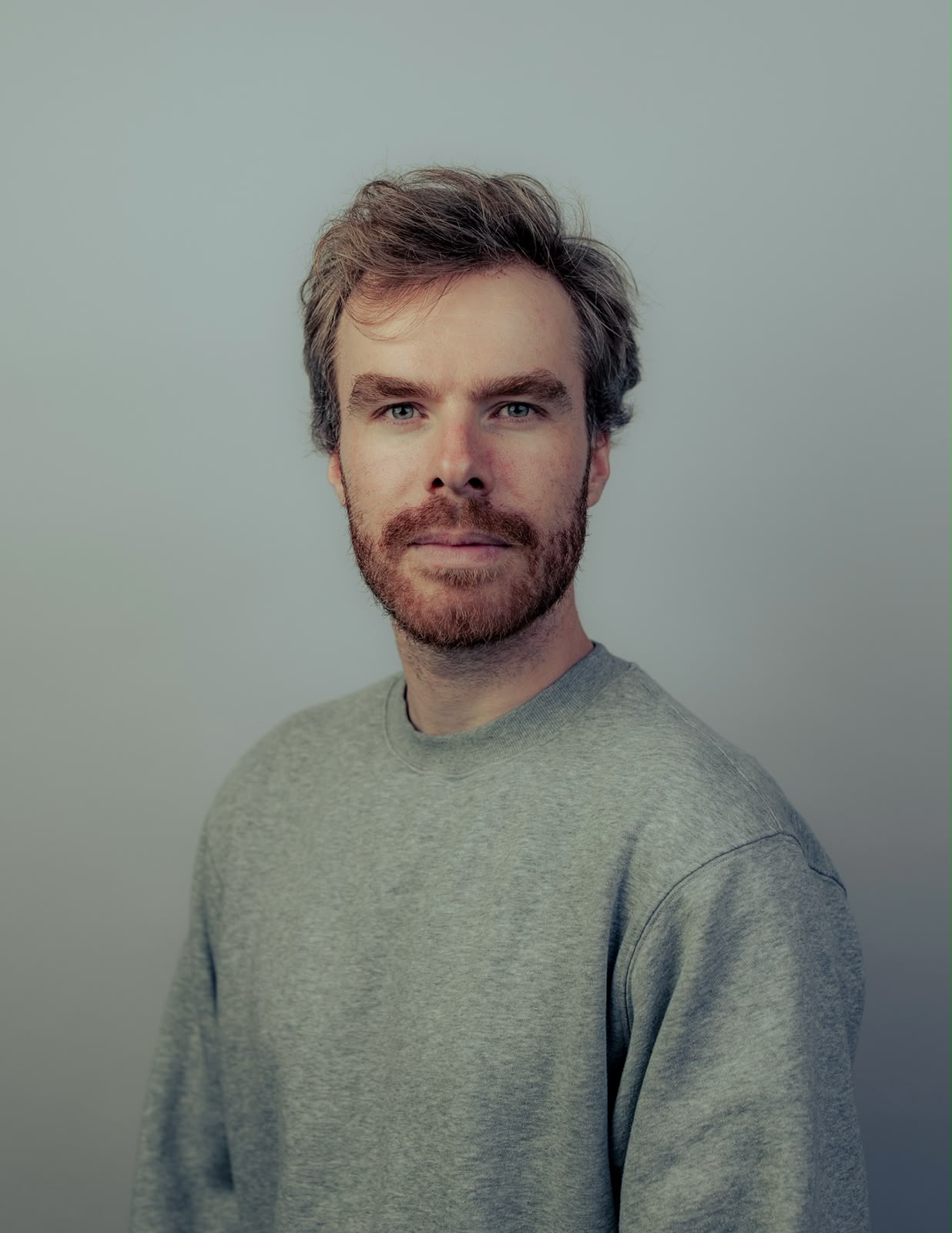
Ganzevles Giliam (NL) graduated as graphic designer from ArtEZ Arnhem and is currently based in Brussels. His work ranges across art, design and technology, with a research emphasis on more-than-human design and AI in design processes, at the Howest University of Applied Sciences. As a member of the Disobedient Practices research group, he investigates the convergence of more-than-human perspectives and AI through artistic research. He is co-author of the publication Decentering Design - Practice in a More-than-human World (2025).
Organized by Axolot.cat and the DARTS research group from UOC (Universitat Oberta de Catalunya).
Amb el suport de: Generalitat de Catalunya
Graphic Design and Website by Axolot.cat