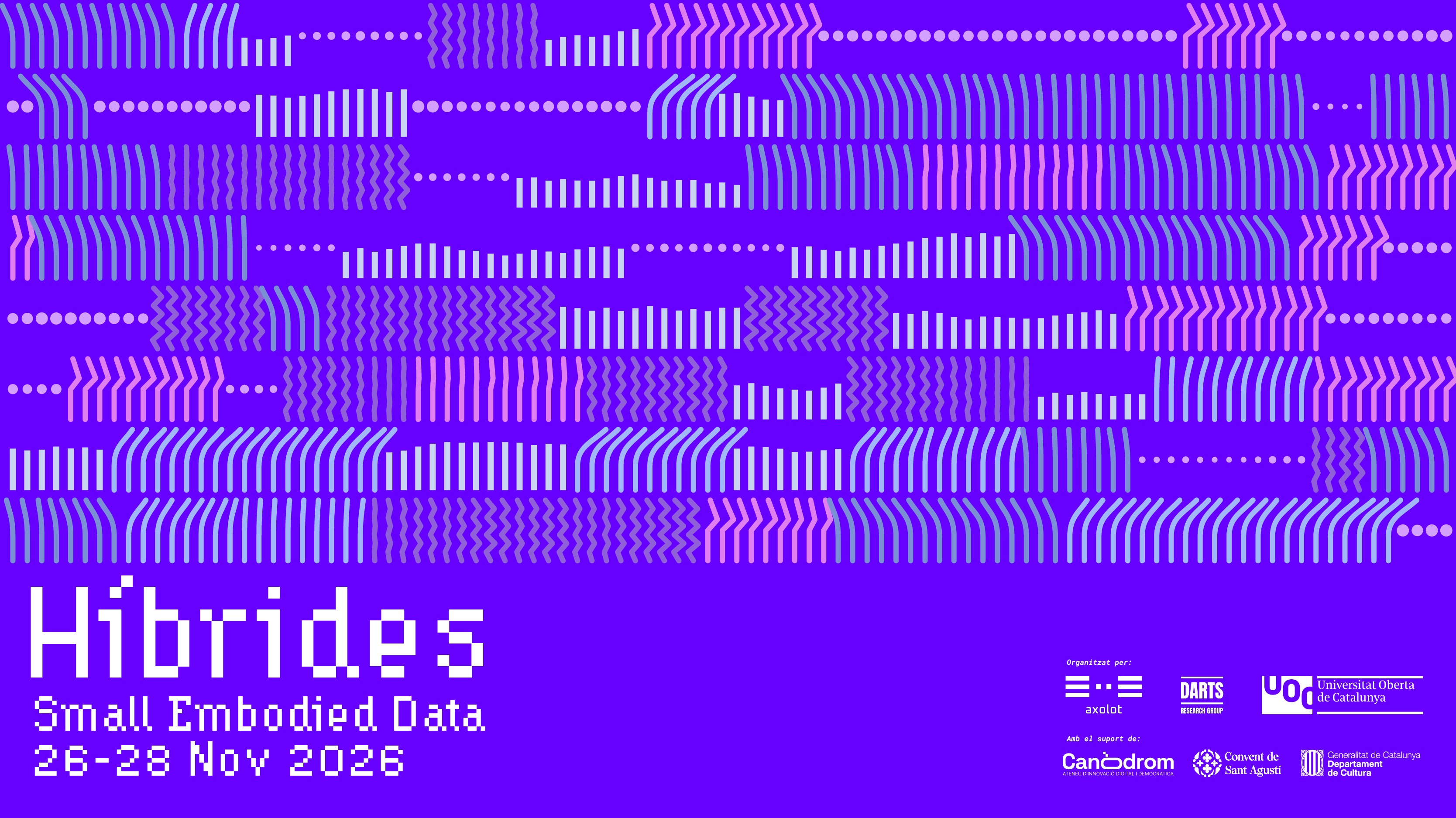
"Híbrides" is a biennial of artistic research co-organized by the Axolot.cat collective and the DARTS research group (Design, Art, Technology and Society) at the UOC (Universitat Oberta de Catalunya) in Barcelona. Híbrides explores transdisciplinary methodologies and technological tools as elements of reflection, understanding the creative process as a collective practice.
The name of the biennial alludes to its inter and transdisciplinary nature, which considers possible hybridizations between proposals guided by digital formats and those grounded in bodily experimentation. It welcomes contributions at various stages of the research process, both academic and non-academic, thereby fostering the production of knowledge from critical and diverse perspectives.
In this second edition, the biennial proposes classification as its central theme, a concept that carries multiple meanings depending on context. We can approach it from the fields of computer science and data science, from machine learning and the process of assigning objects to pre-existing classes or categories, or by analyzing data to uncover hidden patterns and establish classes within an algorithmic system. We can also ask about the infrastructures and resources required for a classification task to take place: the devices and technologies that enable data collection, the inner workings of classification algorithms, who designs them, under what ethical codes, who selects the classes, and to what end.
The biennial proposes bringing the concept of classification into dialogue with the concepts of "Small Data" and "Embodiment" addressed in our first edition. Drawing on our own research and artistic production experiences, as well as the reflections that emerged from the first edition, we propose the following definitions:
Small Data:
Data is the central element in training models and automating specific tasks within the paradigms of machine learning and artificial intelligence. However, data is a sociotechnical construction: we define what to measure and collect data mediated by existing technologies. Data is therefore shaped by a prior intention about what to measure and why. For us, small data involves defining, from the perspective of an individual or a community, what things one wants to measure, for what purpose, and which algorithms or methodologies will be used to analyze the information.
Embodiment:
Embodiment is a concept approached from multiple perspectives. We propose engaging with it by considering bodily experience as the process through which we exist and make sense of the world around us, the foundation of a knowledge that is produced in and through the body. Thinking about embodiment invites us to recognize knowledge as situated and sensory, not anchored solely in language or thought, and to bring perception, emotions, biographical trajectories, experiences, and individual perspectives into artistic and scientific research processes. For us, to inquire into the body and embodiment is to ask ourselves from which experiences we come to know and to research.
We invite the scientific and artistic communities to reflect on and analyze classification algorithms, data, archives, processes, and other elements, whether physical, digital, or bodily, from different perspectives, in order to rethink and, perhaps, imagine new meanings that redefine why, how, and for what purpose we classify.
The activities of Híbrides: Small Embodied Data will take place at the UOC (Universitat Oberta de Catalunya, Poblenou campus, Barcelona), the Convent de Sant Agustí, and other collaborating venues in Barcelona. For this call for proposals, we are seeking submissions that respond to this framework of thought and practice, in the form of oral presentations, performances and installations (new!).
Oral Presentations:
Oral presentations on artistic practices, artistic research, and/or academic research projects, 20 minutes in length.
Performances:
Performance-based proposals that engage with the physical body, the stage, and technology, 20 to 30 minutes in length. Projects must be complete and may have been presented previously. Works must be fully realized and may have been previously presented. These will take place in a multipurpose space.
Installations (New!):
Small-scale interactive, physical, or digital works conceived as critical artifacts, and fall within the scope and theme of Hibrides 2026.
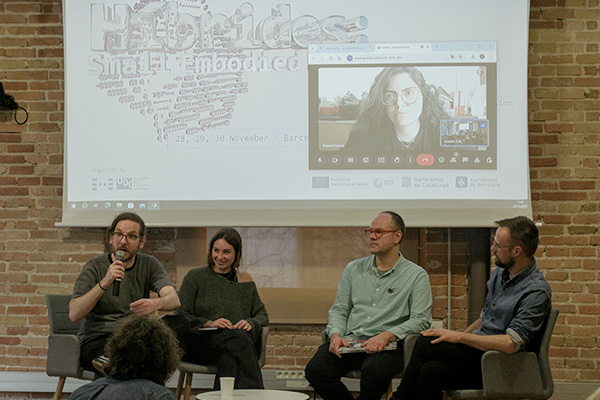
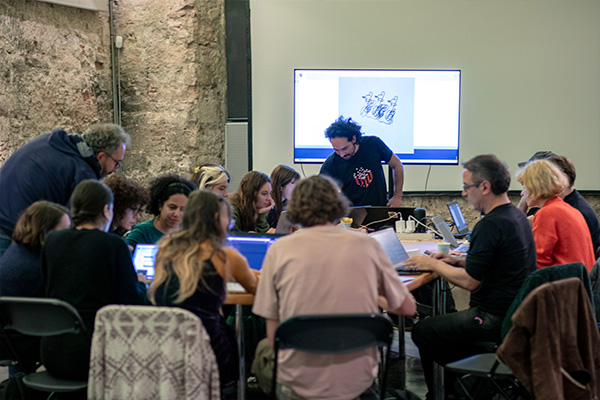
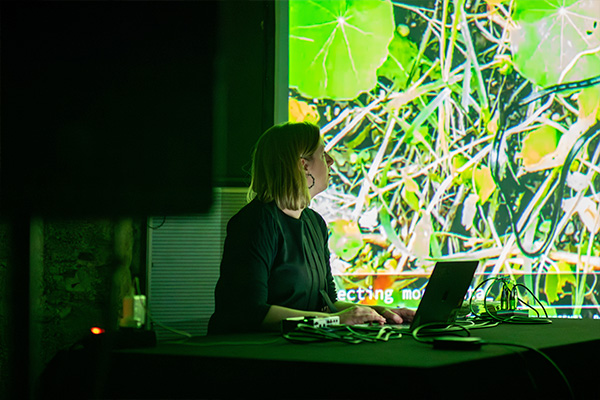
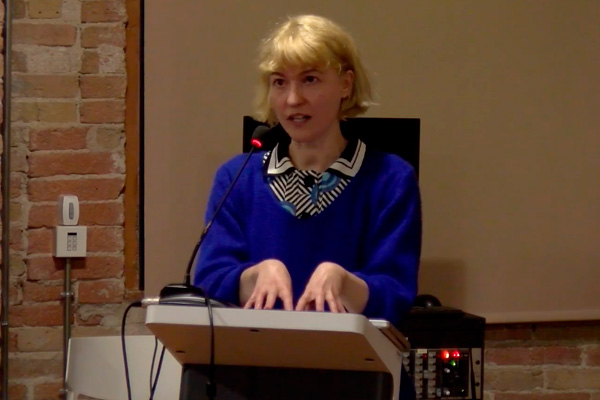
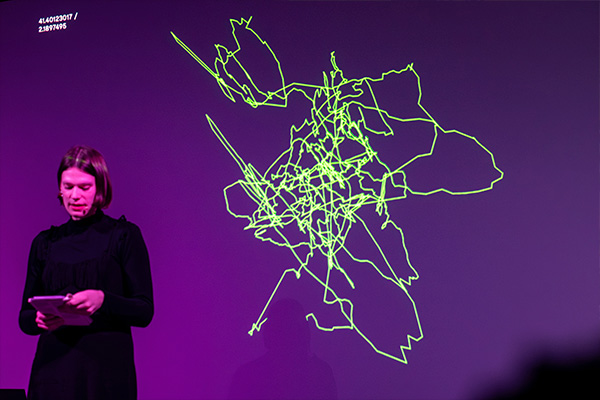
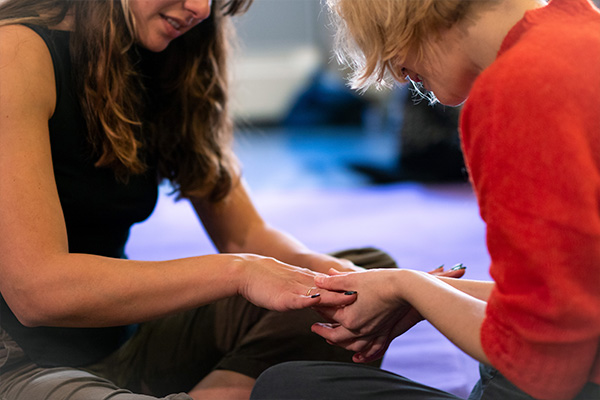
The first edition took place in November 2024. Watch the video recap below, and explore the full program on the 2024 edition website.






Organized by Axolot.cat and the DARTS research group from UOC (Universitat Oberta de Catalunya).
Amb el suport de: Generalitat de Catalunya
Graphic Design and Website by Axolot.cat